
Polyaspartic vs. Polyurea: Which Floor Coating Is Better for Worcester County Garages? (2026)
Polyaspartic and polyurea belong to the same fast-curing coating family, so the real difference comes down to cure speed, working time, UV stability, and how much room the installer has to get it right. LC Visions Epoxy & Coating installs polyurea flooring for Worcester County garages that withstand road salt, hot tires, and concrete that moves with every season.
Homeowners hear the two names tossed around like the same product. They're related, but the installation window and the topcoat can change how the floor performs. Which one is "better" depends entirely on the garage. Keep reading to see how they're related, why working time matters so much on a real slab, and how to choose.
How Polyurea and Polyaspartic Are Related
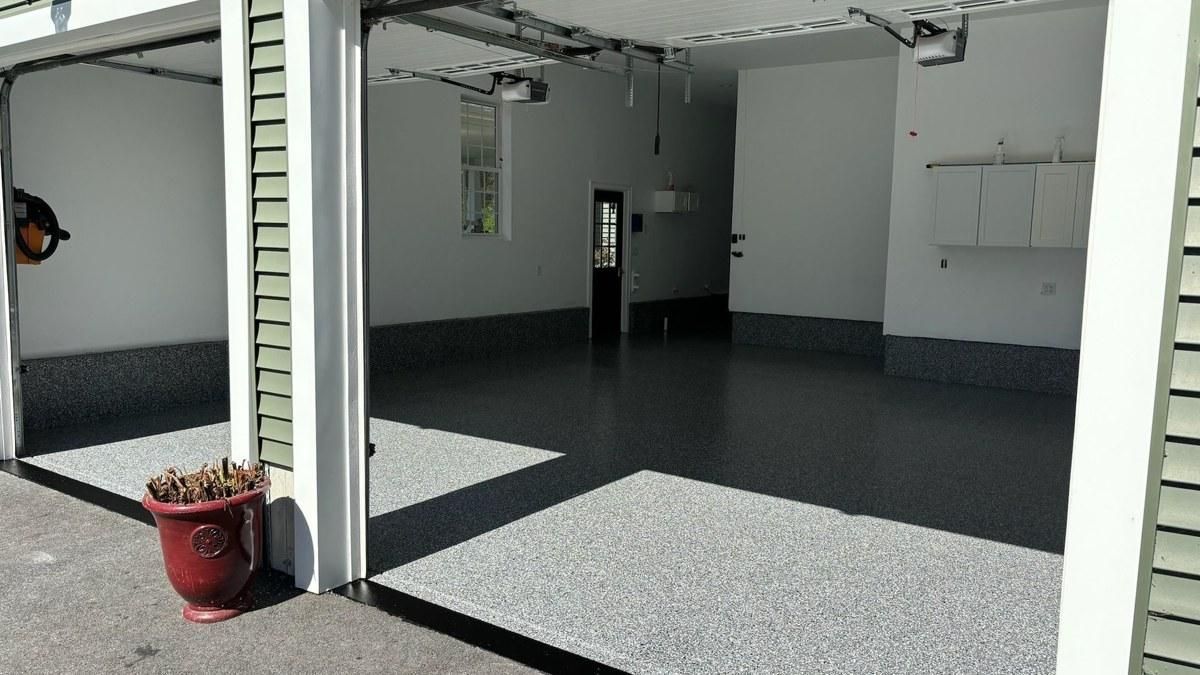
Polyurea and polyaspartic coatings are in the same family of fast-curing floor systems. The difference is how each formula handles cure time and application.
Polyurea is valued for flexibility and fast return to use. That can help garages that see temperature swings and daily parking.
Polyaspartic is often used as a topcoat because it gives installers more working time than some fast polyureas. It can also improve UV stability when the chemistry is matched correctly.
Think of the terms this way:
- Polyurea: the broader coating category.
- Polyaspartic: a related chemistry often used for topcoats.
- Epoxy: a separate coating family with slower cure and less flexibility.
- Flake systems: a decorative broadcast that can pair with these coatings.
Epoxy sits in a separate family with a slower cure and less flexibility, which is why it behaves so differently in a cold garage; if you're weighing all three side by side, our full epoxy, polyurea, and polyaspartic comparison lines up the differences that matter. Whichever you choose, the system needs the right prep, base coat, flake broadcast, and topcoat for the slab.
Which Performs Better in Massachusetts Garages?
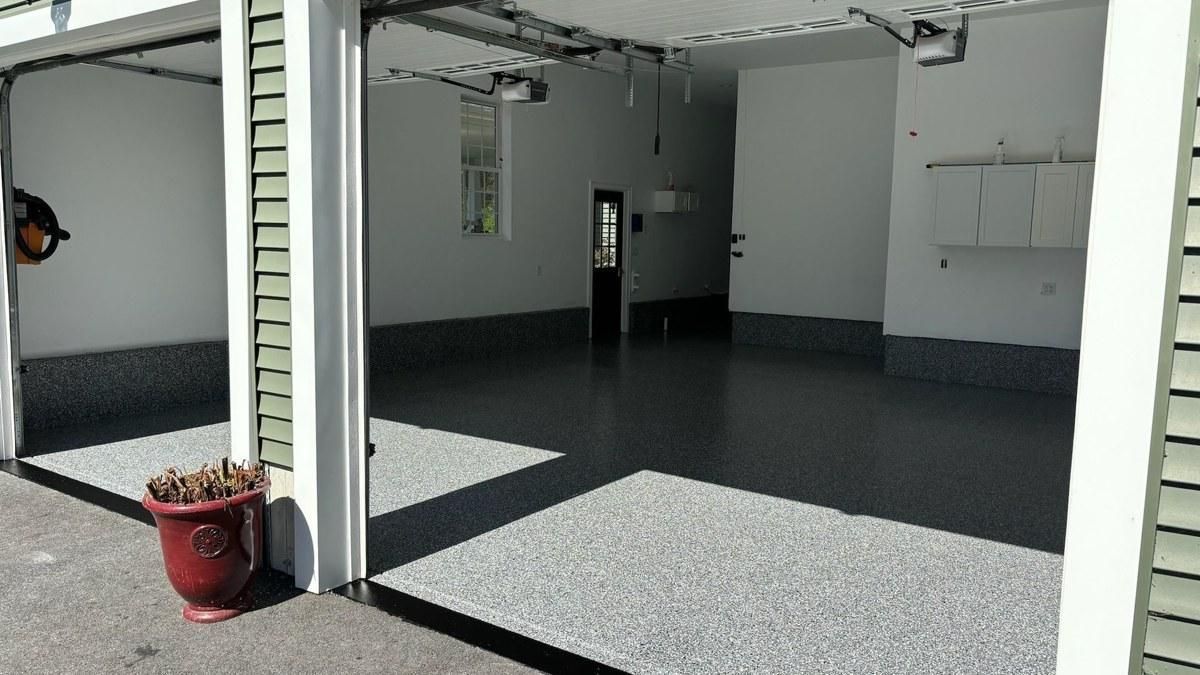
Massachusetts garages need coatings that tolerate road salt, melting snow, and hot tires. Flexibility matters because concrete moves as temperatures change. That demand is the same whether the garage sits downtown or out toward the suburbs. In a busier hub like Marlborough, where commuter cars track brine in all winter, a fast-curing, flexible system earns its keep quickly.
A well-installed polyurea system can be a strong fit for this environment. It cures quickly and resists daily abrasion from tires and grit.
Polyaspartic topcoats can add value when sunlight reaches the garage apron or door area. That UV stability helps reduce yellowing and chalking near the opening.
Performance depends on details such as:
- Surface profile created by grinding.
- Crack repair before the base coat.
- Full flake coverage or partial broadcast.
- Topcoat thickness and chemistry.
- Cure conditions on installation day.
The LC Visions guide to epoxy floor lifespan explains why coating life depends on prep and use, not just the product name.
Where Installers Can Get It Wrong
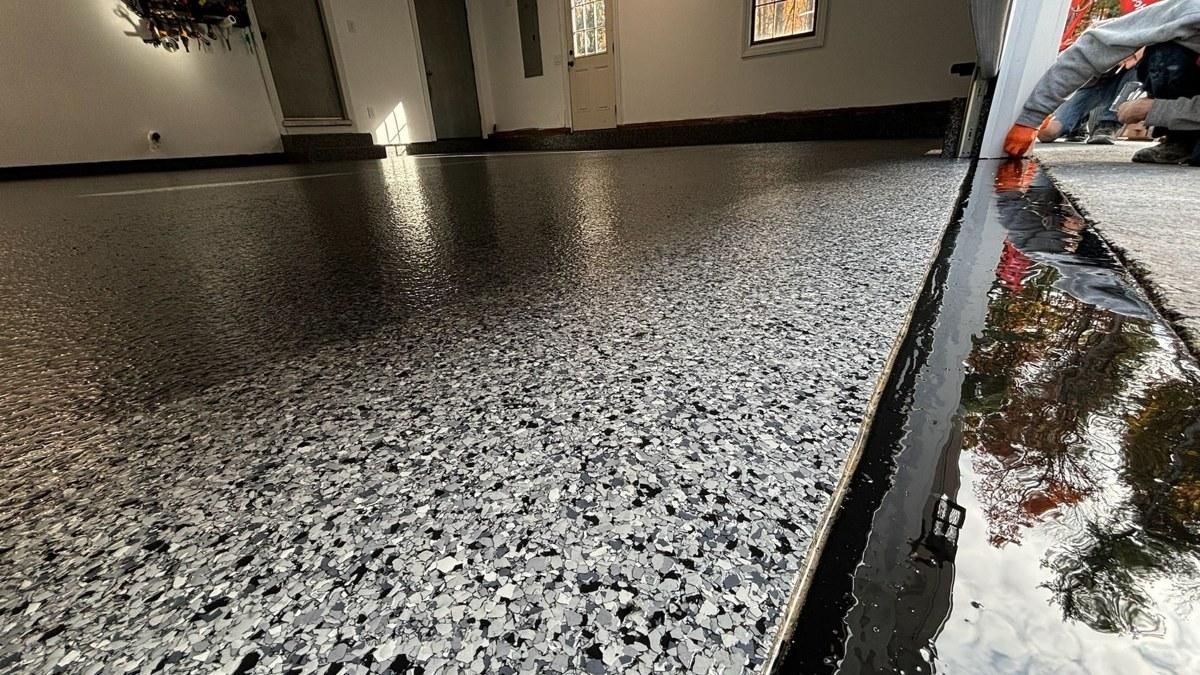
Fast-cure coatings leave less room for sloppy timing. If the crew mixes too much material or works too slowly, the coating can set before it levels properly.
That is why installer experience matters with both polyurea and polyaspartic systems. A product with good specs can still fail when the slab is dirty or damp.
Watch for these red flags in a quote:
- No mention of mechanical grinding.
- No plan for cracks or spalled areas.
- No explanation of moisture conditions.
- Product names without coating thickness.
- A cure-time promise that ignores weather.
How to Choose Between the Two
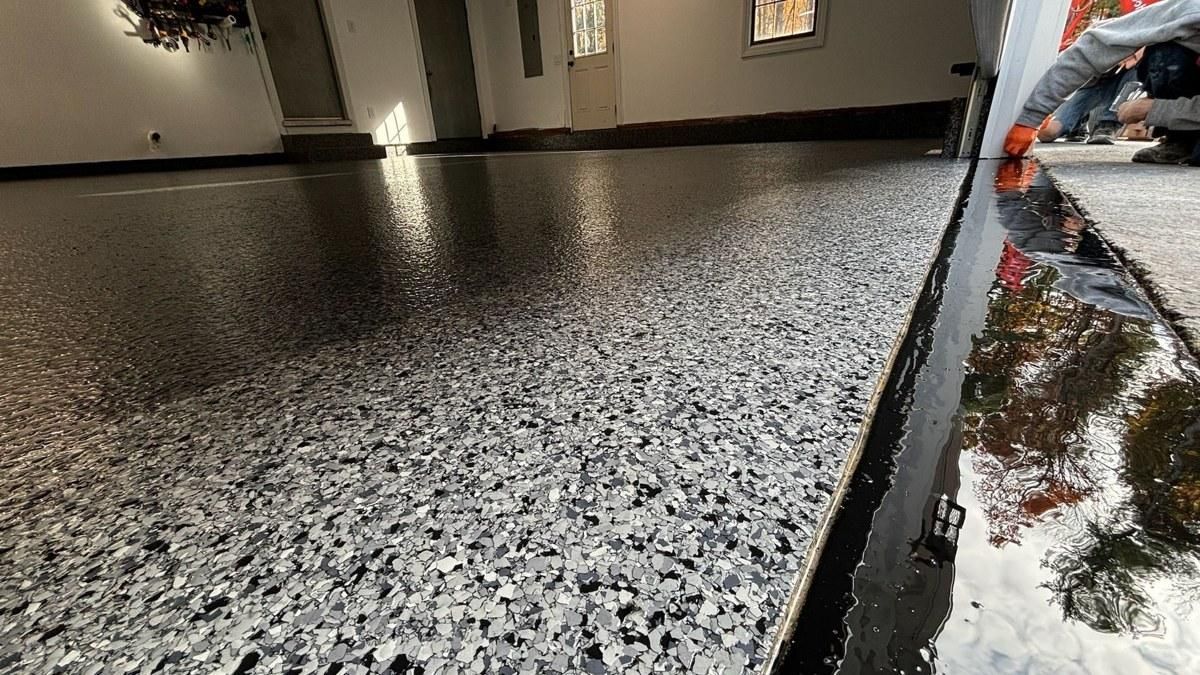
Choose the system based on the garage, not the buzzword. A daily parking garage needs a different build than a clean hobby space.
Polyurea is often the practical base for Worcester County garages because it handles movement and fast return to use. A polyaspartic topcoat may make sense where UV exposure or chemical resistance matters.
Ask the contractor to explain the full stack. The answer should include prep, base coat, flake broadcast, topcoat, and expected cure time.
Frequently Asked Questions
Is polyaspartic always better than polyurea for garage floors?
Polyaspartic is not always better than polyurea for garage floors. Polyaspartic chemistry can be excellent as a topcoat, while polyurea can be strong as the main coating layer. The best choice depends on slab prep, garage use, and installer timing.
Why do polyurea garage floors cure so quickly?
Polyurea garage floors cure quickly because the coating chemistry reacts fast after mixing. That speed can reduce downtime, but it also gives installers less room for mistakes. LC Visions Epoxy & Coating plans prep and application steps before material is mixed.
Does a polyaspartic topcoat help near a sunny garage door?
A polyaspartic topcoat can help near a sunny garage door when UV exposure is a concern. The topcoat may resist ambering better than standard epoxy. The slab still needs proper grinding and repair before any topcoat can perform well.
Compare the Full System, Not the Label
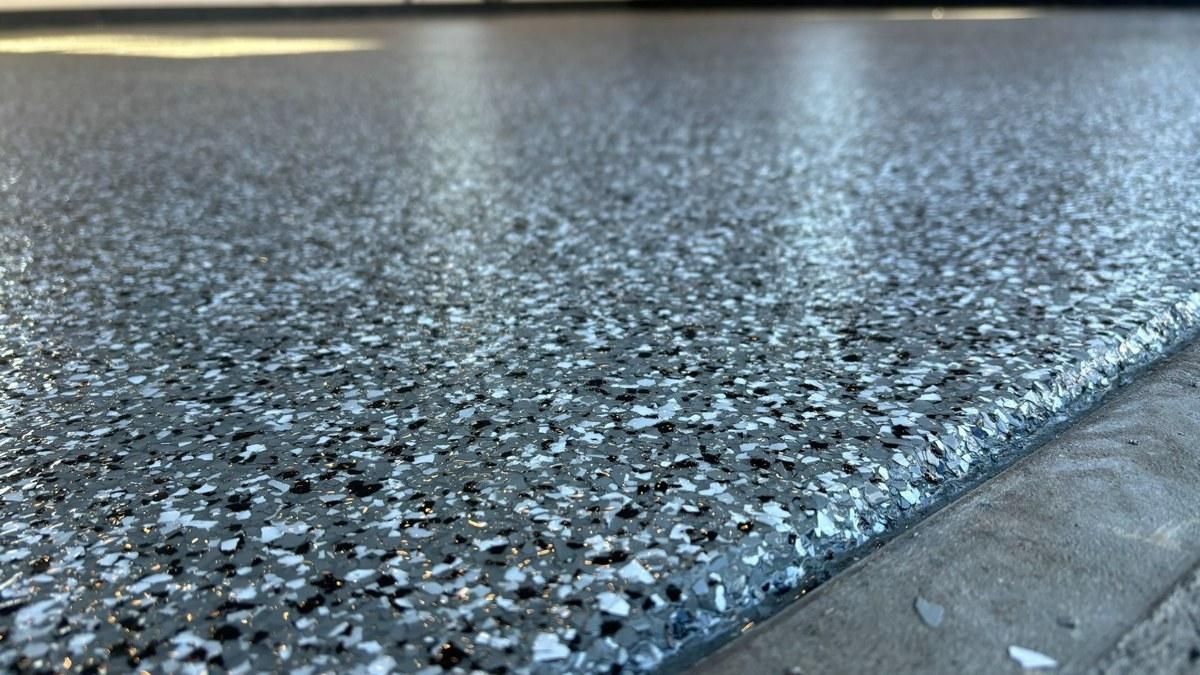
The strongest garage floor decision is rarely polyaspartic versus polyurea in the abstract; it's the full system matched to your slab, your traffic, and a New England winter. Prep, base coat, flake broadcast, topcoat, cure time: that stack is what you're really buying. Ask any contractor to walk you through all of it.
If you want a coating built for Worcester County garage use, start with the prep plan. Then contact LC Visions Epoxy & Coating at 724-413-8946 to discuss your floor.