
Epoxy vs. Polyurea vs. Polyaspartic: Which Coating Is Right for Your Massachusetts Garage? (2026)
Epoxy, polyurea, and polyaspartic coatings differ in cure time, flexibility, UV resistance, and cost per square foot. Epoxy offers the strongest chemical bond at the lowest price point. Polyurea cures faster and flexes with concrete movement. Polyaspartic isn't a standalone floor system — it's a topcoat that adds UV protection and enables same-day installations when layered over an epoxy or polyurea base.
If you've started researching garage floor coatings, you've probably landed on the same three options every contractor mentions: epoxy, polyurea, and polyaspartic. The names sound similar, the marketing claims overlap, and it's hard to tell what actually matters for a garage that faces Massachusetts winters. The differences are real, and they affect how long your floor lasts, how fast you can use it, and how much you'll spend.
LC Visions Epoxy & Coating explains which performs best for Massachusetts garages below.
How Each Coating System Works
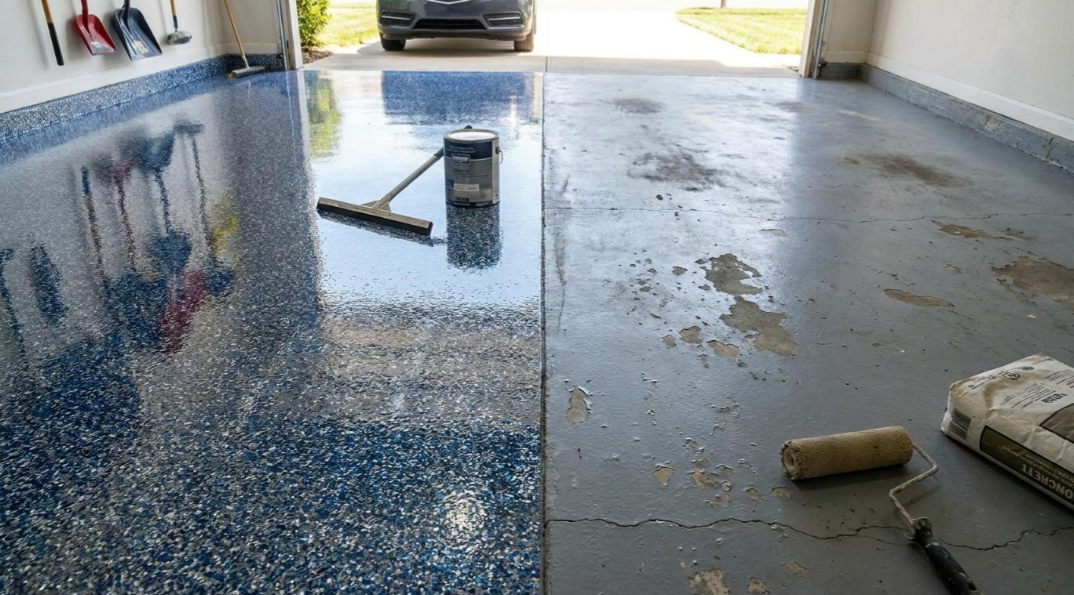
All three coatings bond to concrete, but they use different resin chemistries. Understanding that chemistry explains why each system behaves differently under Worcester County conditions.
Epoxy
Two-part epoxy (resin plus hardener) creates a rigid, chemically resistant surface when cured. It bonds strongest when applied to diamond-ground concrete. Epoxy handles oil, gasoline, and road salt well, but it yellows under UV exposure—which is why it's ideal for enclosed garages and basements. LC Visions installs two epoxy variants: epoxy flake for textured, decorative finishes and metallic epoxy for high-gloss showroom looks. Both pair well with a polyaspartic topcoat for UV protection.
Polyurea
Polyurea is a flexible, fast-curing coating that resists UV degradation. It handles concrete expansion and contraction better than rigid epoxy, which matters in climates with significant temperature swings. Polyurea cures in hours rather than days. Explore polyurea flooring options for outdoor and high-traffic applications.
Polyaspartic
Polyaspartic is a modified polyurea chemistry engineered for use as a topcoat rather than a standalone floor system. It cures in two to four hours, adds UV stability, and increases abrasion resistance. LC Visions Epoxy & Coating applies a polyaspartic topcoat on many installations to deliver UV protection and a same-day return to service on top of a stronger base system underneath.
Head-to-Head: Performance in Massachusetts Garages
Here's how the three systems compare on the factors that matter most for New England garage floors.
| Factor | Epoxy | Polyurea | Polyaspartic |
|---|---|---|---|
| Cost (per sq ft) | $3-$6 (standalone) | $5-$9 (standalone) | $1-$3 (as topcoat over epoxy or polyurea) |
| Cure Time | 48-72 hours | 4-8 hours | 2-4 hours |
| UV Resistance | Low (yellows) | High | High |
| Flexibility | Rigid | Flexible | Semi-flexible |
| Chemical Resistance | Excellent | Good | Good |
| Freeze-Thaw Performance | Strong with prep | Excellent | Excellent (as topcoat) |
Epoxy wins on chemical resistance and upfront cost. Polyurea wins on flexibility and outdoor durability. A polyaspartic topcoat adds UV protection and speed to either base system. The right answer depends on where your floor is and how fast you need it done.
What New England Winters Do to Each System
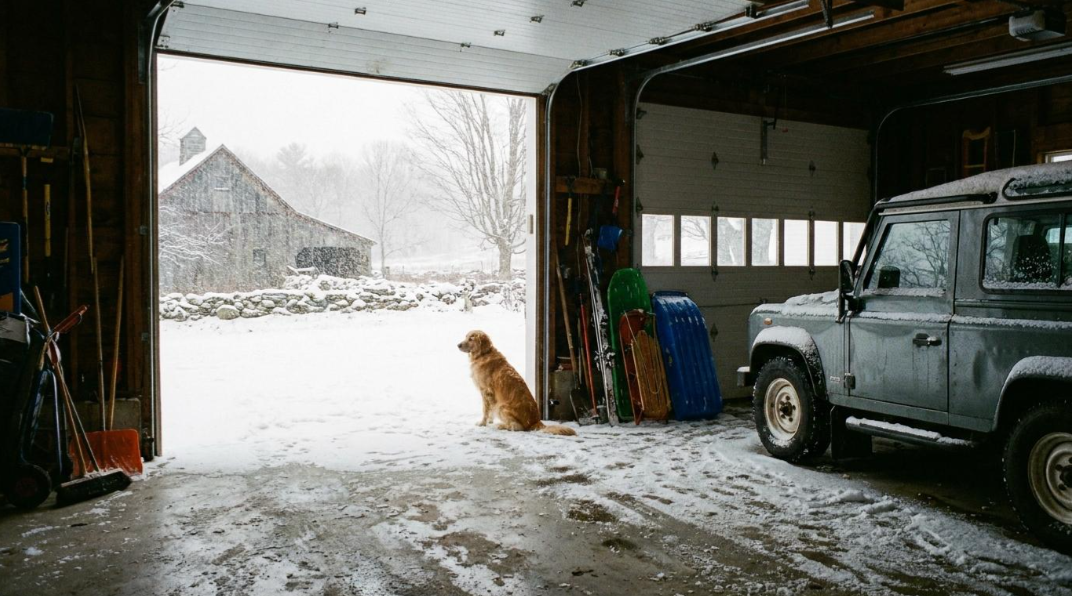
Worcester County averages 35-40 freeze-thaw cycles per season. Road salt tracked in on tires and boots attacks concrete and any coating bonded to it. Here's how each system responds.
Epoxy's rigid bond remains strong against salt and chemical exposure, but that rigidity becomes a liability when concrete expands and contracts repeatedly. Without proper surface preparation, including diamond grinding and moisture testing, epoxy can delaminate after one or two harsh winters. With proper prep, it is designed to last 10 to 20 years.
Polyurea's flexibility gives it an edge in freeze-thaw environments. The coating moves with the concrete instead of fighting it. That's why polyurea is one of the most common systems LC Visions installs in Worcester County, especially for garages that see winter use, road salt, or daily door openings that expose the floor to outdoor temperatures. Read more about what affects epoxy floor lifespan in New England conditions.
Polyaspartic, applied as a topcoat, inherits the freeze-thaw performance of the base system underneath. Over an epoxy base, it protects the epoxy from UV damage that would otherwise compound winter wear. Over a polyurea base, it adds UV stability to a system already well-suited to temperature swings.
Frequently Asked Questions
Can I combine epoxy and polyaspartic in one installation?
Yes, and it's one of the most common professional setups. An epoxy base coat provides chemical resistance and strong adhesion, while a polyaspartic topcoat adds UV stability and cuts cure time to under 24 hours. LC Visions Epoxy & Coating uses this layered approach for many Worcester County garage projects.
Is polyurea worth the higher cost over epoxy?
Polyurea justifies its higher price in any Worcester County garage that sees meaningful temperature swings, winter salt exposure, or direct sunlight through windows or open doors. It flexes with concrete movement during freeze-thaw cycles, resists UV yellowing, and cures fast enough to park the next morning. Epoxy remains a strong choice for climate-controlled, sun-protected garages where flexibility matters less, but polyurea is the system LC Visions most often recommends for daily-use residential garages in the Marlborough area.
Which coating resists hot tire pickup best?
Polyurea and polyaspartic coatings resist hot tire pickup better than standard epoxy because they remain slightly flexible at high temperatures. Epoxy can soften under sustained heat from hot tires, though professional-grade formulations perform significantly better than DIY kits. Watch for warning signs your floor coating needs attention.
Make the Choice That Fits Your Garage
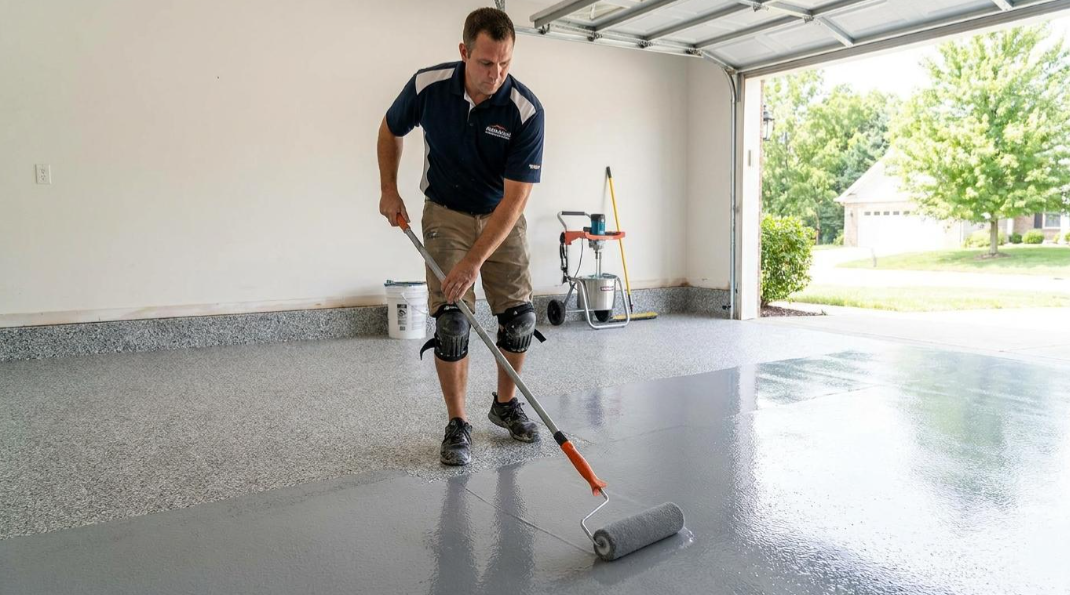
If your garage is enclosed and budget matters most, epoxy delivers strong performance per dollar, especially when finished with a polyaspartic topcoat for UV protection and fast cure. If you need the flexibility and UV resistance for a sun-exposed or high-traffic space, polyurea is the better investment. For Worcester County garages that see heavy winter use, a polyaspartic topcoat over either system cuts downtime and extends the floor's lifespan.
LC Visions Epoxy & Coating helps Marlborough and Worcester County homeowners choose the right system for their space. Contact us for a free estimate, and we'll recommend the coating that matches your floor, your climate, and your timeline.