
How to Prepare Your Garage Floor for Epoxy in Massachusetts: A Pro's Checklist (2026)
Preparing a garage floor for epoxy means cleaning it, checking it for moisture, repairing the damage, and mechanically grinding the concrete to a profile the coating can grip—in that order, before any epoxy is opened. LC Visions Epoxy & Coating installs residential concrete coatings for Massachusetts homeowners who want the slab genuinely ready, not just swept.
Here's the lesson that shows up on every salt-damaged Worcester County slab: prep decides the floor far more than the coating label does. Skip the surface work and you bond epoxy to dust, old paint, or weak concrete—exactly the failure the two tradesmen who founded LC Visions kept getting called to fix. Below is the checklist we'd run on your garage.
Clear the Garage and Inspect the Slab
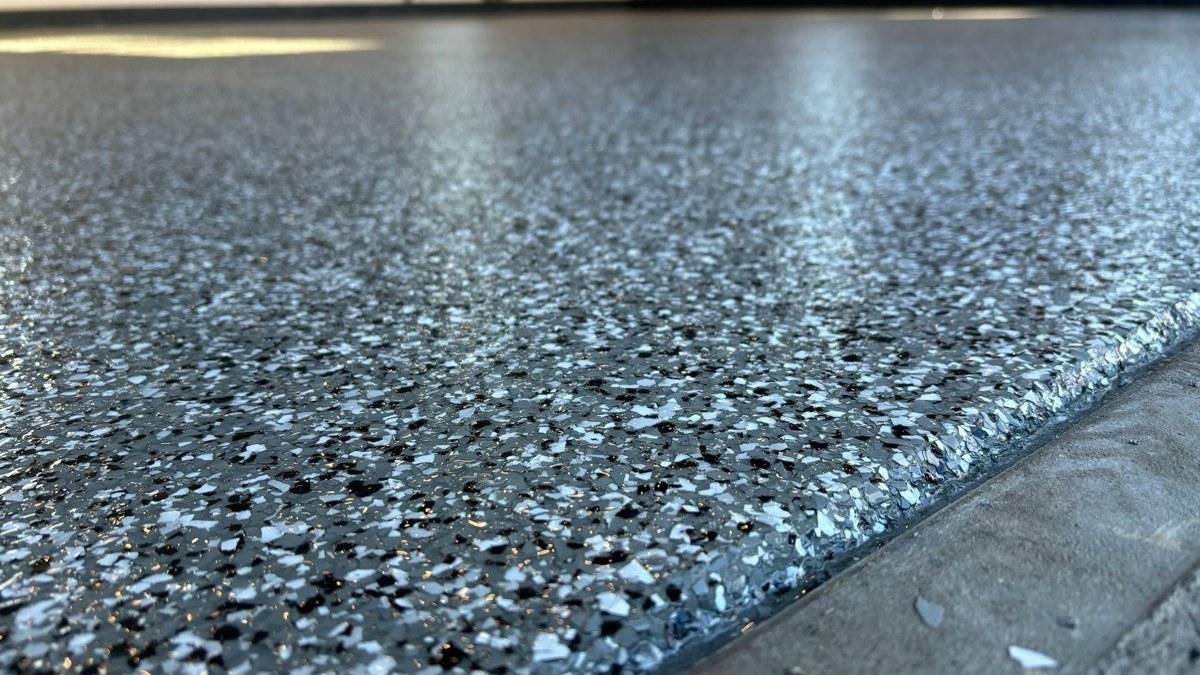
Garage prep starts before tools touch the concrete. Remove stored items, shelving, mats, and anything that blocks the floor.
Once the slab is open, look for stains, cracks, pitting, and old coatings. These problems tell the installer what must be repaired or removed.
Massachusetts garages often show damage near the door because snowmelt and road salt collect there. That area may need deeper grinding or extra patching. It's the same story in nearly every older garage across southern Worcester County, Uxbridge included, where slabs have soaked up decades of brine one winter at a time.
Check these details during inspection:
- Oil spots under parked vehicles.
- Flaking paint or old sealer.
- Soft pitted concrete near the entrance.
- Cracks that collect dirt or moisture.
- Low spots where meltwater sits.
LC Visions does not perform structural slab replacement. Our focus is on prepping and repairing concrete that is stable enough to accept a coating.
Remove Contamination Before Grinding
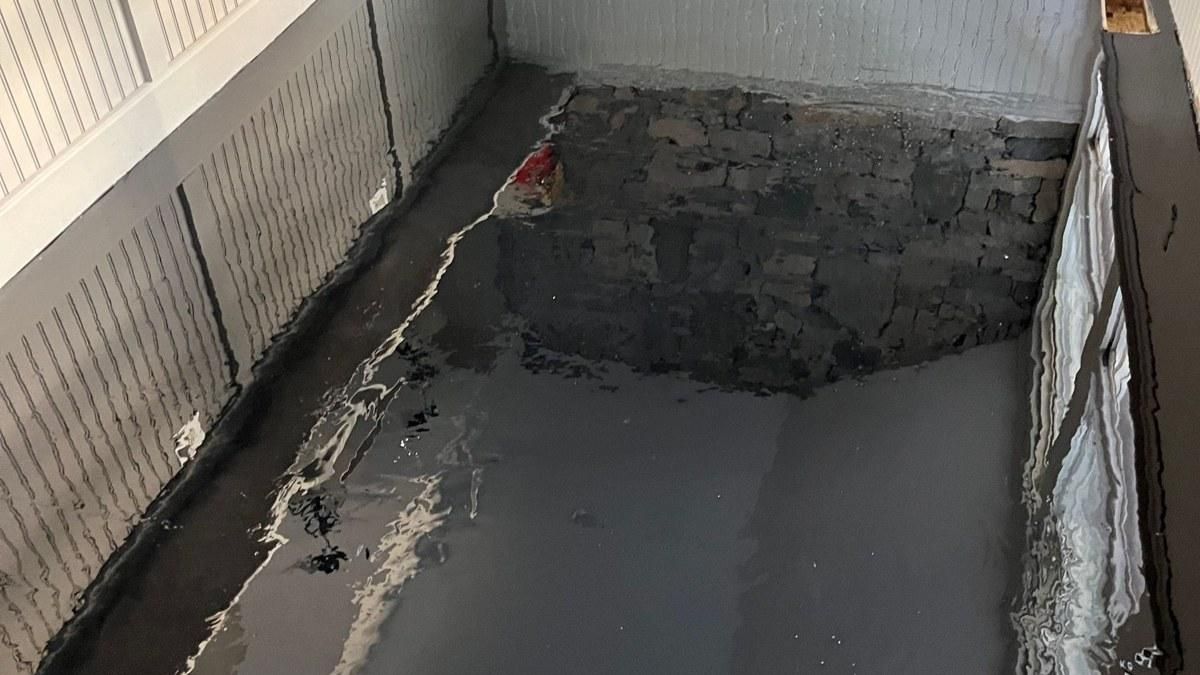
Contamination blocks adhesion. Oil, salt residue, and old paint can keep epoxy from bonding to the actual slab.
Cleaning should happen before grinding so contaminants do not smear deeper into the surface. Degreasing, scraping, and vacuuming all help expose sound concrete.
Salt is a special issue in New England garages. Fine salt dust can sit inside pores and pull in moisture long after winter ends.
A proper prep sequence usually includes:
- Degreasing oil and tire marks.
- Scraping loose paint or mastic.
- Vacuuming dust from cracks.
- Removing salt residue near the door.
- Confirming the floor is dry before profiling.
The LC Visions concrete coating process emphasizes preparation because coatings need a clean mechanical bond.
Grind, Patch, and Test Moisture
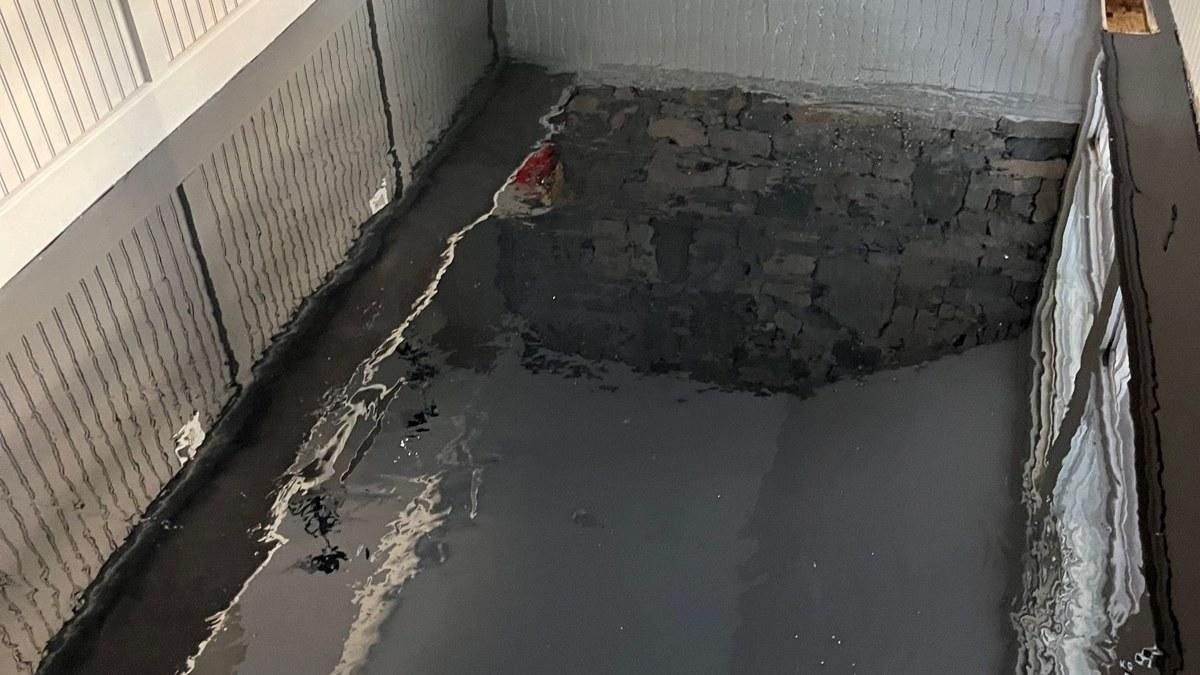
Epoxy needs a textured surface to grip. Diamond grinding creates a profile that helps the coating lock into the concrete.
Acid etching is sometimes promoted as a shortcut. LC Visions does not rely on acid etching as the main prep method for professional coating work. Mechanical grinding is the offered approach because it removes weak surface material.
Cracks and pits should be patched after weak material is removed. Patching over loose concrete only hides the problem until traffic returns.
Moisture testing matters because concrete can look dry while vapor still moves upward. That vapor can cause bubbling or peeling after the coating cures. Prep comes first precisely because it's what lets any coating do its job. Once the slab is sound, choosing the best garage floor coating for how you actually use the space is the easier half of the decision.
What Homeowners Can Do Before the Crew Arrives
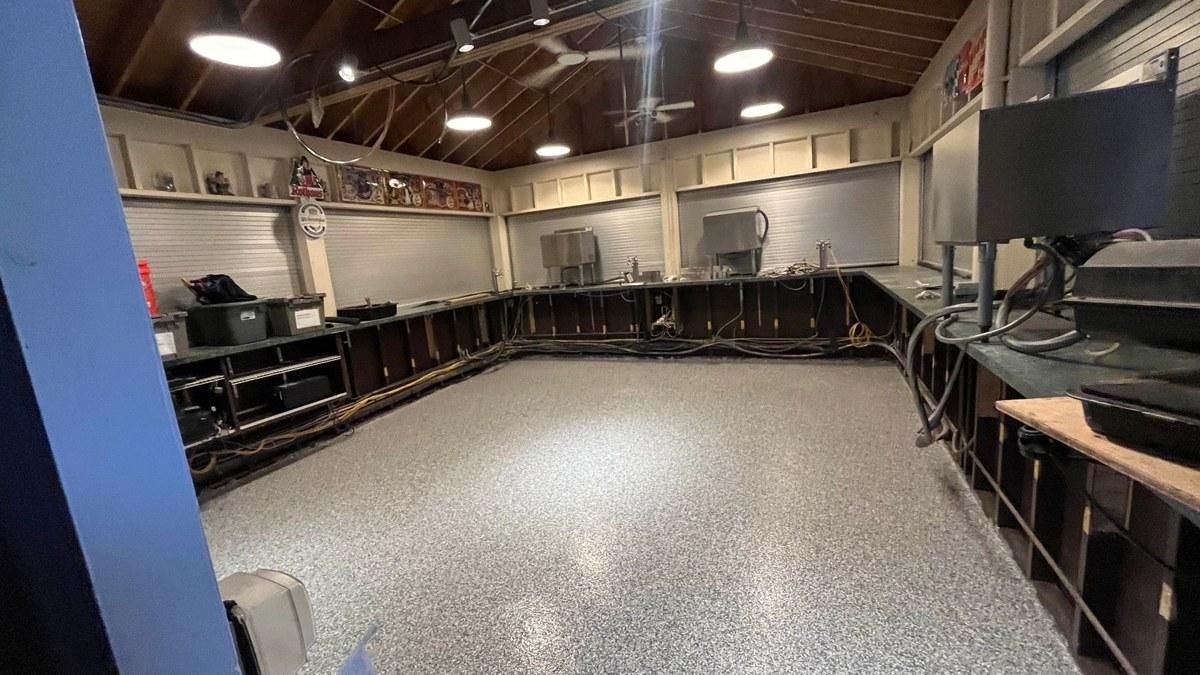
Homeowners can make the project smoother without trying to do the professional prep. The goal is access, safety, and fewer delays.
Before installation day, remove personal items and plan where cars will park. Keep pets and children away from the work area.
You can also note problem spots for the installer. A simple list helps the crew focus on stains, cracks, or damp areas.
Good homeowner prep includes:
- Emptying the garage completely.
- Moving vehicles outside the work zone.
- Pointing out oil leaks or recurring water spots.
- Avoiding cleaners that leave waxy residue.
- Asking when the floor can be used again.
The site's guide on how to do concrete coating explains why professional prep differs from a kit-based weekend project.
Frequently Asked Questions
Do I need to pressure wash my garage before epoxy prep?
You usually do not need to pressure wash your garage before epoxy prep unless the installer asks for it. Extra water can slow the project if the slab stays damp. Emptying the garage and identifying stains is more helpful for most homeowners.
Why is diamond grinding better than acid etching for epoxy?
Diamond grinding is better for professional epoxy prep because it removes weak surface material and creates a consistent profile. Acid etching can leave residue and does not remove many old coatings. LC Visions Epoxy & Coating uses mechanical prep for stronger bonding.
How long should a Massachusetts garage dry before coating?
A Massachusetts garage should be dry enough to pass the installer's moisture checks before coating. The timeline depends on humidity, slab age, and recent washing or snowmelt. A floor that looks dry can still hold moisture below the surface.
Give the Coating a Clean Surface to Grip
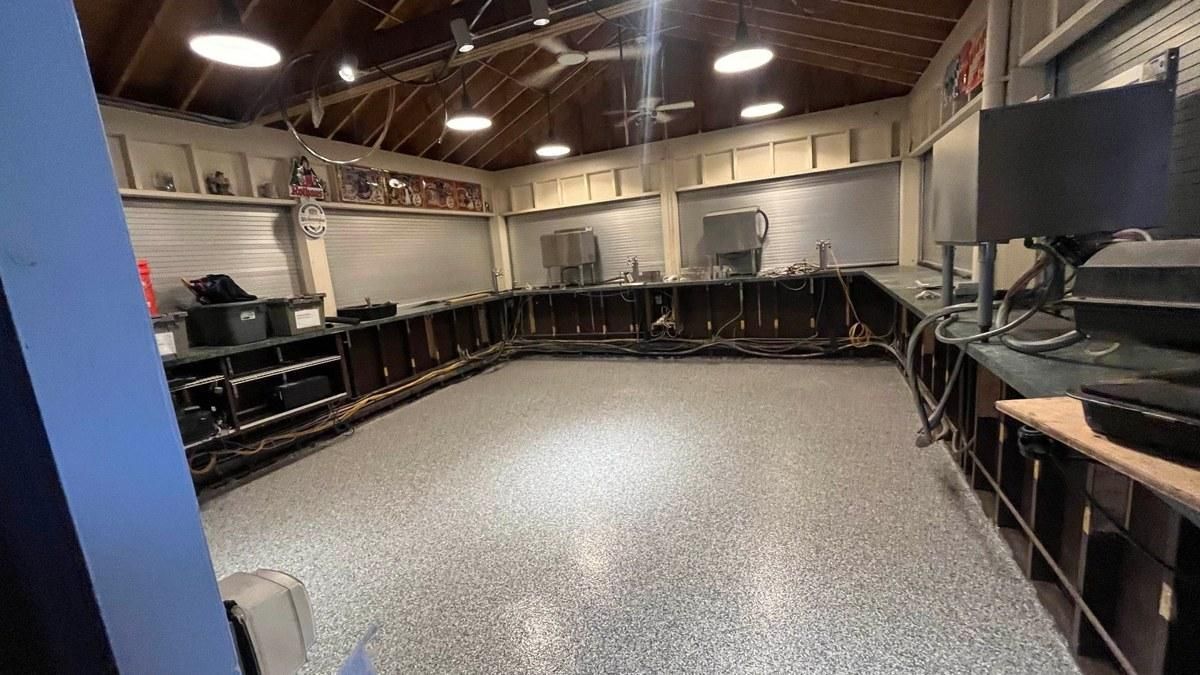
A durable epoxy floor starts with a clean, profiled slab. Clearing the space helps, but the grinding, patching, and moisture checks are what carry the result through a New England winter. That's the part the weekend kits skip, and the part LC Visions won't.
If your garage has salt damage, old paint, or cracks, sort out the prep before the product. Then contact LC Visions Epoxy & Coating at 724-413-8946 to plan the floor.