
Basement Floor Coating Options for Massachusetts Homes With Moisture Issues (2026)
The best basement floor coating for a Massachusetts home is the one chosen around the slab's moisture, not its color. A finish that looks great can still bubble or peel when vapor pushes up through the concrete from below. LC Visions Epoxy & Coating installs residential concrete coatings for Worcester County homeowners who need a basement floor that can handle damp concrete, spring thaw, and everyday use.
Most homeowners miss this: in an older basement, the prep work matters more than the finish you pick. LC Visions was started by two Milford tradesmen who were tired of watching coatings fail when that prep got skipped. This guide starts with what's happening to the slab before any coating goes down.
Why Basement Moisture Changes the Coating Choice
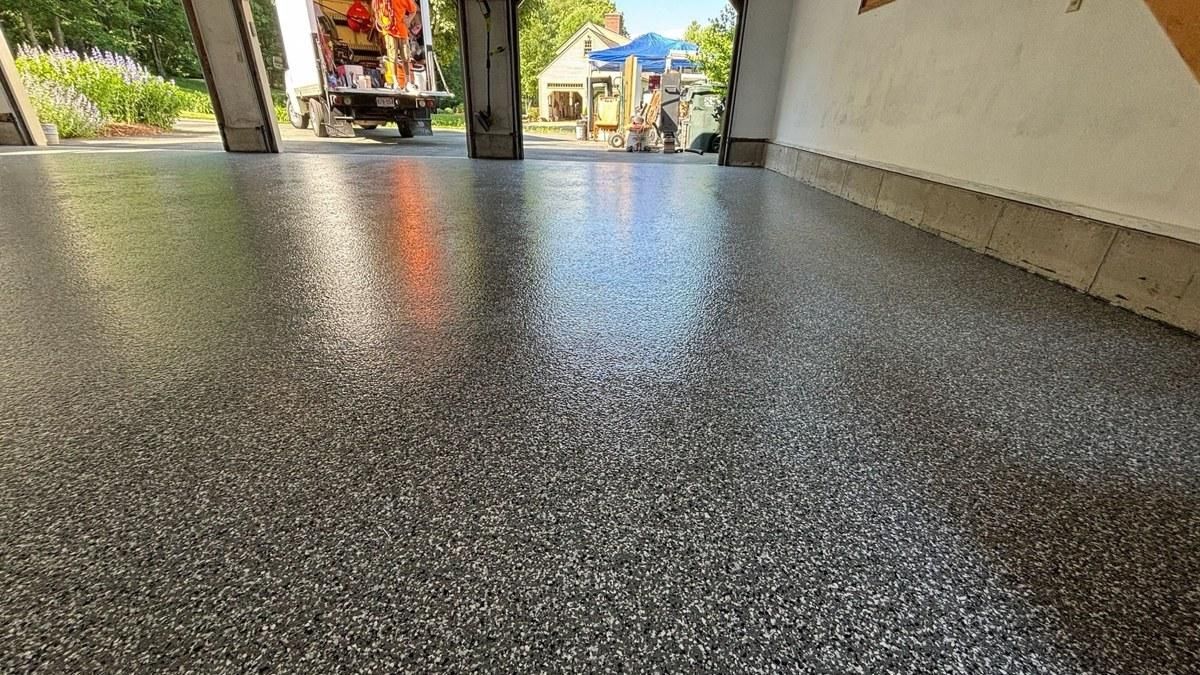
Basement concrete behaves differently from garage concrete. The slab sits below grade, where soil moisture can press upward through pores.
That vapor can weaken adhesion if the coating system traps it. A shiny finish over damp concrete may bubble, cloud, or peel.
Massachusetts homes with fieldstone foundations or older slabs need extra attention because water paths are harder to predict. Spring thaw can also raise moisture levels after winter.
Before choosing a coating, check for:
- Dark patches that return after cleaning.
- White powdery efflorescence from mineral salts.
- Musty air near the floor.
- Cracks along walls or floor joints.
- Prior paint that flakes in sheets.
LC Visions does not provide basement waterproofing or drainage work. Our closest offered service is surface preparation and coating for concrete that is dry enough to accept a coating system.
Epoxy, Metallic Epoxy, and Flake Systems
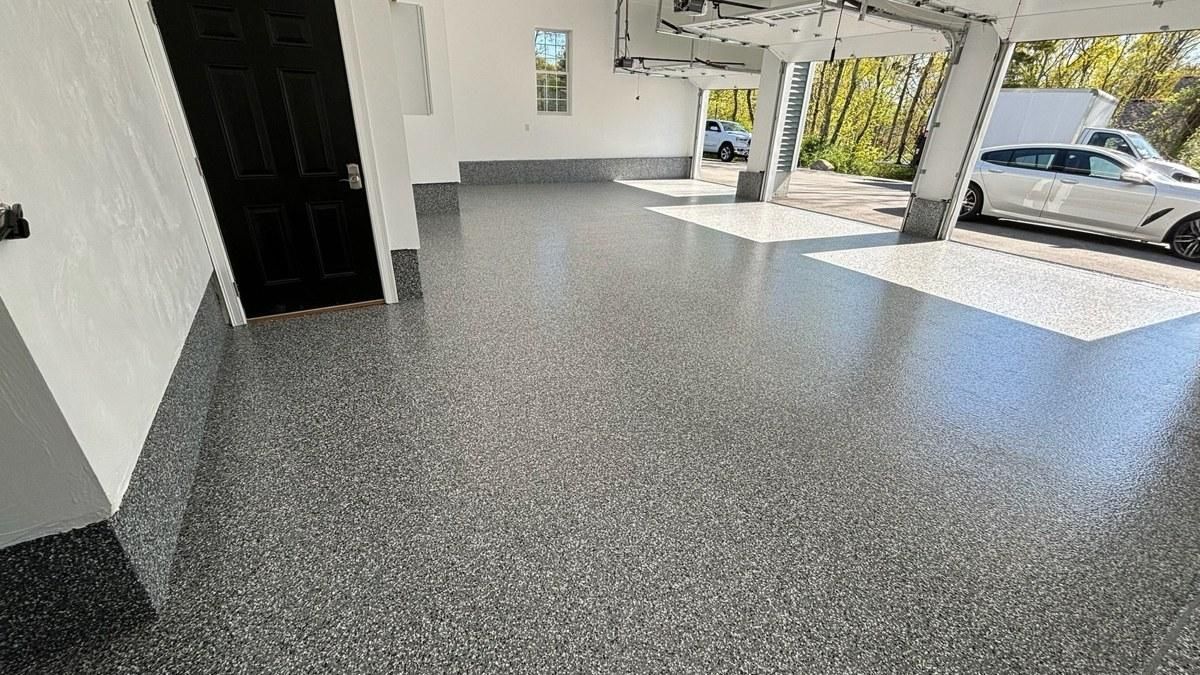
Different basement finishes solve different problems. Epoxy creates a hard surface, metallic epoxy adds depth, and flake systems add texture.
A simple epoxy can work in storage areas when moisture readings are acceptable. Metallic finishes look polished, but they need a stable slab and careful prep. Since metallic epoxy costs more per square foot than a standard flake floor, the price is worth weighing early. The budget and the slab both have to support it.
Flake systems are often practical in finished basements because they hide patched areas better. They also add traction under shoes and storage bins.
Compare the options this way:
- Standard epoxy: clean look for dry utility spaces.
- Metallic epoxy flooring: decorative look for stable concrete.
- Flake coating: textured finish for busier family areas.
- Polyurea topcoat: faster cure and strong wear resistance.
The best finish fits the slab's moisture. A coating should never be used to hide an active water problem.
The Prep That Needs to Happen Before Coating
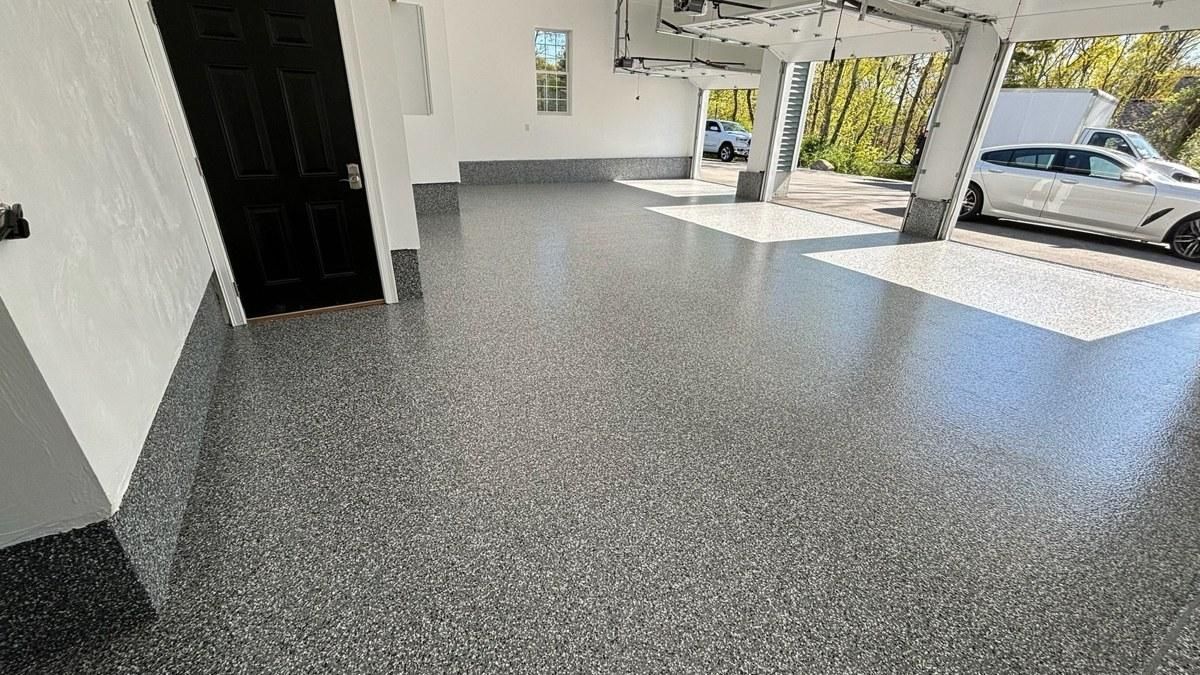
Basement coating prep should test the floor before grinding starts. Moisture, contamination, and weak old coatings all change the plan.
A professional prep process may include cleaning, mechanical grinding, patching, and spot repairs. LC Visions explains these steps in its concrete coating process.
Older Worcester County basements often need more grinding than newer slabs. Soft surface paste and old paint can stop the coating from bonding to sound concrete.
Good prep should answer three questions:
- Is the slab dry enough for the selected coating?
- Are cracks stable enough to patch?
- Has every weak layer been removed?
If the answer is unclear, the installer should slow down. Coating a questionable slab can turn a cosmetic project into a redo.
How to Pick a Basement Finish That Lasts
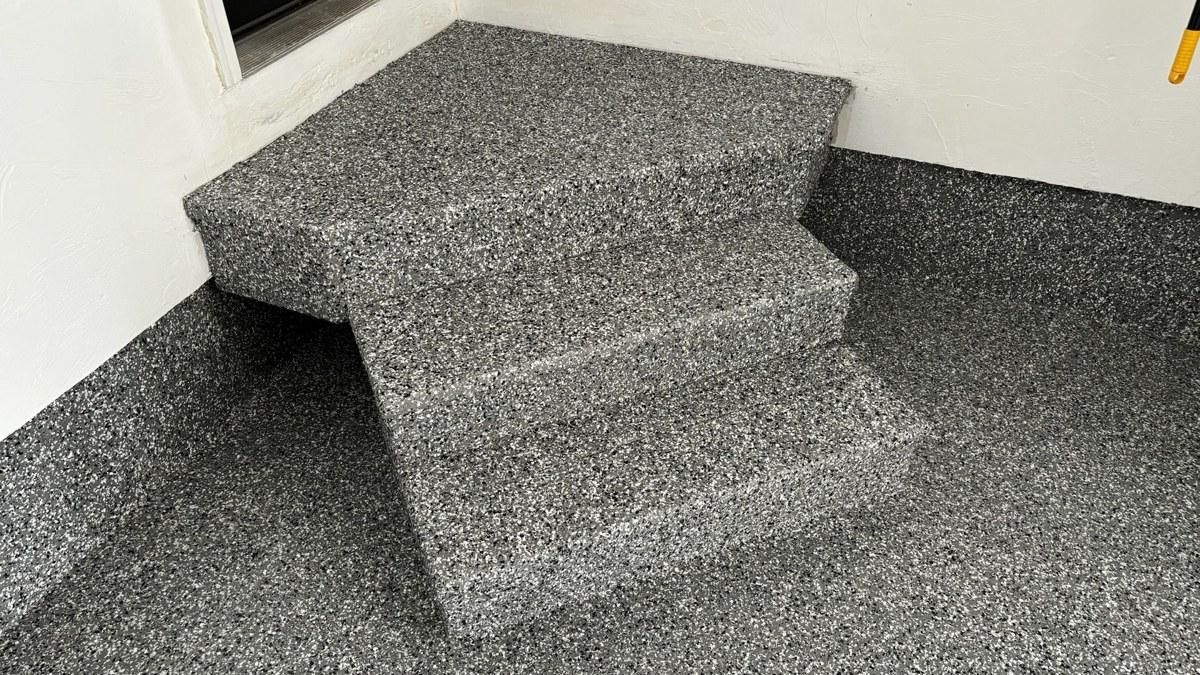
The right basement finish depends on how the room is used. A workshop floor needs different traction than a laundry room or a playroom. Slab age matters just as much, and it's why two houses on the same street can need different prep. In a town like Hopkinton, where much of the housing stock predates modern slab construction, the concrete's age tends to drive the prep plan far more than the coating brand ever does.
Choose a coating based on wear, moisture risk, and cleanup. A smooth decorative floor looks clean, but texture helps when shoes bring in rain or snow.
Frequently Asked Questions
Can a basement floor coating stop water from coming through concrete?
A basement floor coating should not be used as a waterproofing system. Coatings can protect suitable concrete, but active water pressure needs drainage or waterproofing first. LC Visions Epoxy & Coating evaluates whether the slab is ready for coating before recommending a finish.
Is metallic epoxy a good choice for a damp basement?
Metallic epoxy can be a good basement finish only when the slab is dry and stable. Moisture can cloud or weaken decorative coatings if it pushes from below. A moisture check should happen before choosing metallic epoxy for a Massachusetts basement.
What basement coating hides old patches best?
A flake coating often hides old patches better than a smooth solid-color floor. The broadcast flakes break up visual differences between repaired and original concrete. The patched areas still need sound prep, because camouflage does not replace bonding strength.
Start With the Slab, Then Choose the Style
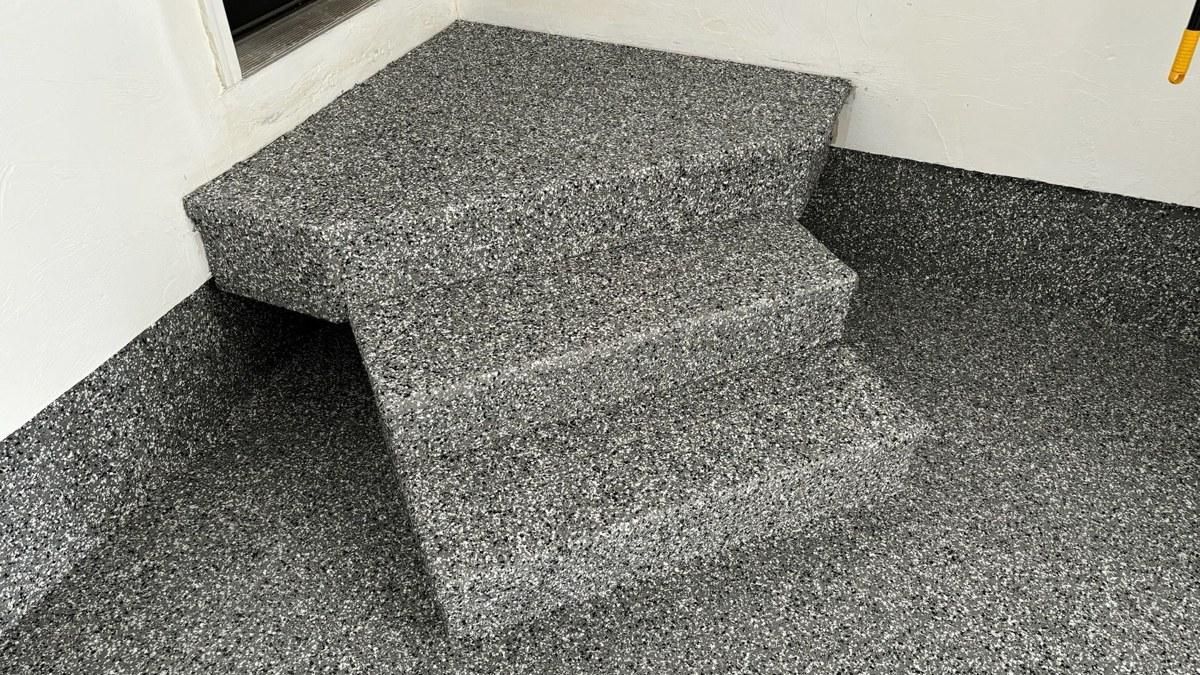
When you're trying to decide on your basement floor, confirm what the concrete is doing first, then pick the finish. Once the slab is dry and sound, the style choice becomes a lot safer and a lot more fun. Coating a questionable slab just to save a step is exactly the kind of shortcut LC Visions steers clear of.
If your basement floor needs a finish that lasts, compare the slab conditions before the colors. Then contact LC Visions Epoxy & Coating at 724-413-8946 to talk through your options.