
DIY Epoxy Floor Kits vs. Professional Installation: What Massachusetts Homeowners Need to Know (2026)
A DIY epoxy floor kit can work for a small, dry, low-traffic concrete space. The trouble starts when it goes down on a slab that actually needed grinding, repair, and a moisture check first. LC Visions Epoxy & Coating installs residential concrete coatings for Massachusetts homeowners who want stronger prep, a real mechanical bond, and a garage or basement floor that lasts.
The honest comparison isn't just kit price versus contractor price. It's the difference between coating clean, sound concrete and coating a slab that's hiding salt, moisture, or old paint. In New England, plenty of slabs are hiding exactly that. Let's take an honest look at where a kit genuinely makes sense, where DIY floors usually fail, and how the costs really compare once a redo is on the table.
Where DIY Epoxy Kits Can Make Sense
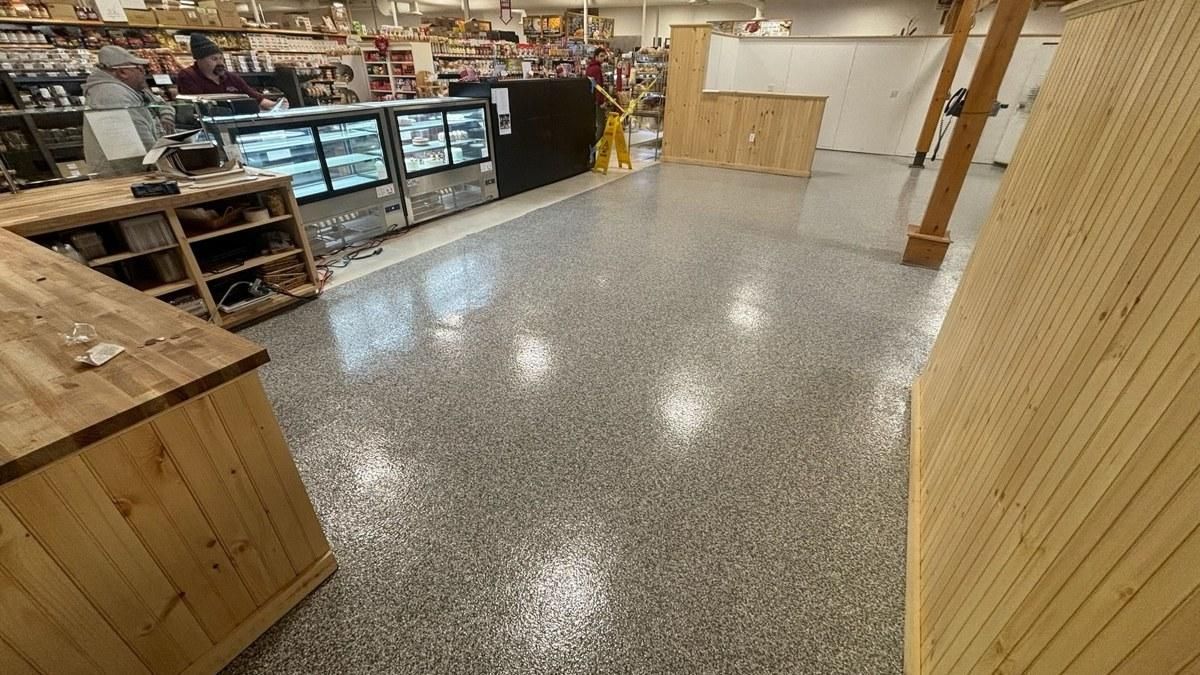
DIY epoxy is not always the wrong choice. A kit can be reasonable for a small storage room, a hobby space, or a short-term finish, as long as you go in clear-eyed about the tradeoffs. Weighing the honest pros and cons of an epoxy garage floor up front keeps a DIY project from becoming a teardown later.
The slab should be dry, clean, and lightly used. If the goal is a short-term improvement, a homeowner may accept a retail kit's limits.
DIY makes the most sense when:
- The concrete is already smooth and stable.
- The room has light foot traffic.
- Moisture is not showing through the slab.
- The finish does not need a warranty.
- A redo later would not disrupt daily life.
That honesty matters. Some projects do not need a full professional system.
Where DIY Floors Usually Fail
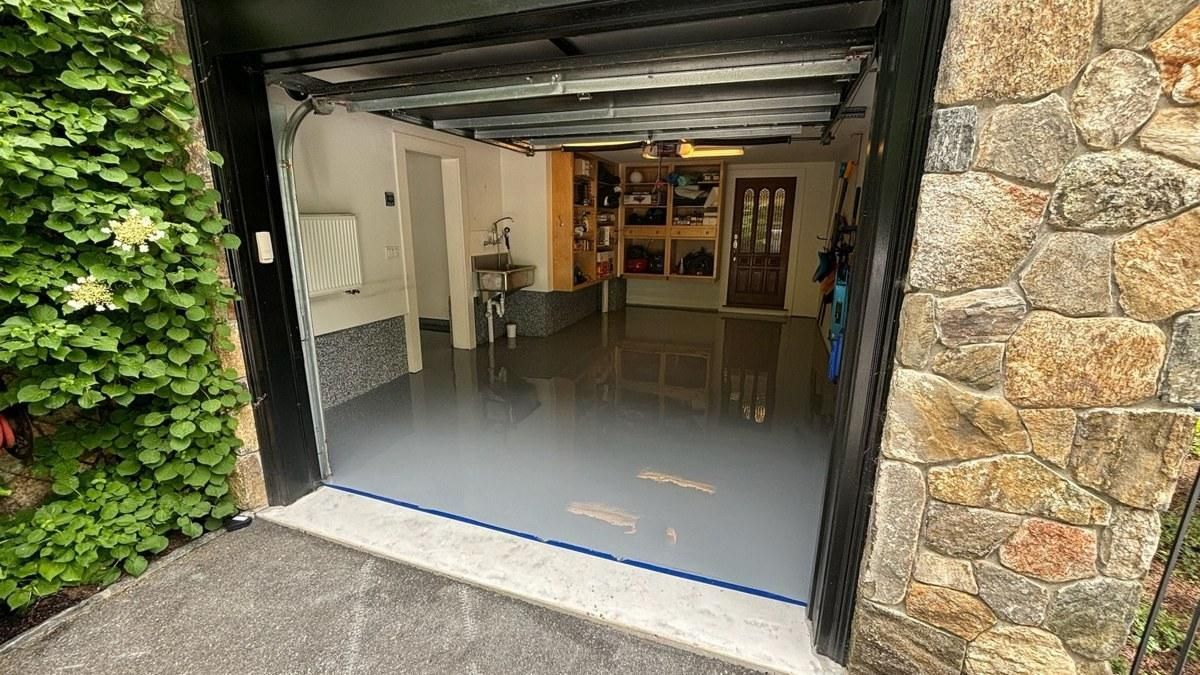
Most DIY epoxy floor problems start before the coating is opened. Surface prep is the difference between bonding to concrete and bonding to dust.
A basic cleaning step rarely removes old sealer, weak paste, oil, or road salt. Massachusetts garages often hold salt residue near the door long after winter ends.
Common DIY failure points include:
- Skipping mechanical grinding.
- Coating over oil or tire residue.
- Ignoring cracks and pitted concrete.
- Applying epoxy when humidity is too high.
- Reopening the floor before it cures.
LC Visions explains the professional sequence in its concrete coating process. Prep takes time because the coating needs a real mechanical bond.
Cost, Durability, and Downtime Compared
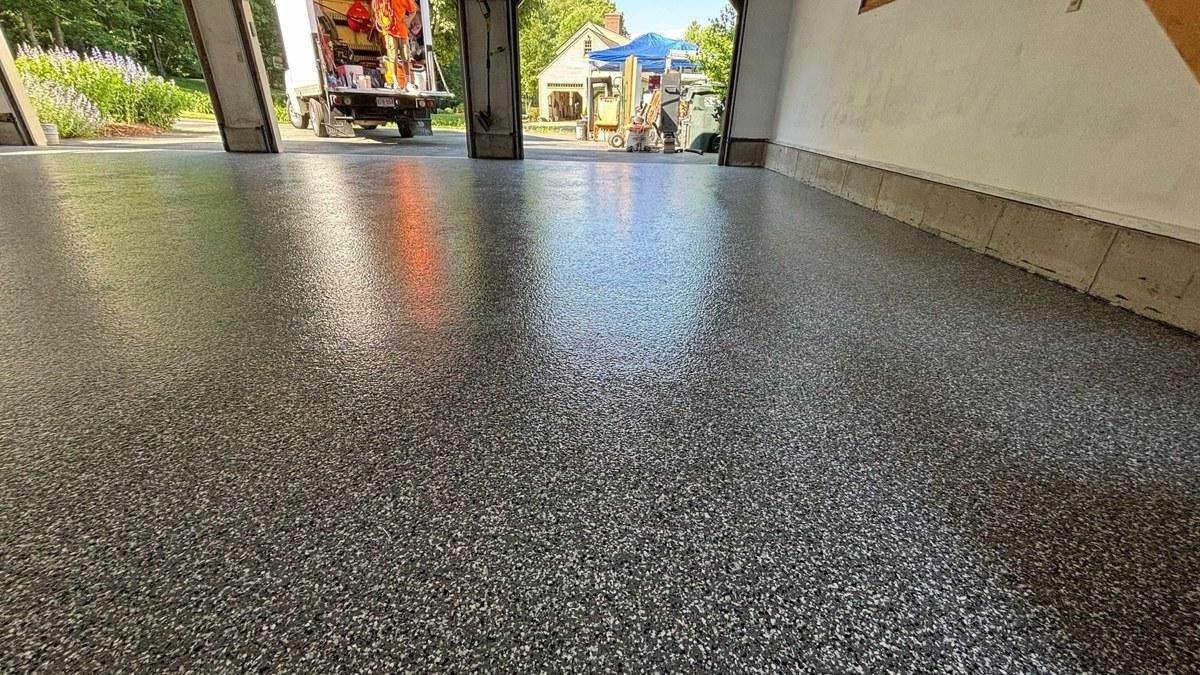
A DIY kit usually costs less up front. That lower price can be appealing when the floor only needs a cleaner look.
Professional installation costs more because the scope includes equipment, materials, prep, repairs, and application control. The value shows up when the floor faces hot tires, grit, and daily parking.
It can also reduce the chance of closing the garage twice for the same problem.
Compare the tradeoffs this way:
- DIY kit: lower initial cost, shorter life, limited prep tools.
- Professional coating: higher initial cost, stronger prep, better system control.
- DIY downtime: depends on homeowner pace and cure conditions.
- Professional downtime: planned around coating type and return-to-use needs.
- DIY risk: peeling can mean buying materials twice.
- Professional risk: lower when the slab is evaluated before work starts.
Our guide on how to do concrete coating explains why coating steps matter before the finish layer goes down.
How to Choose the Right Route
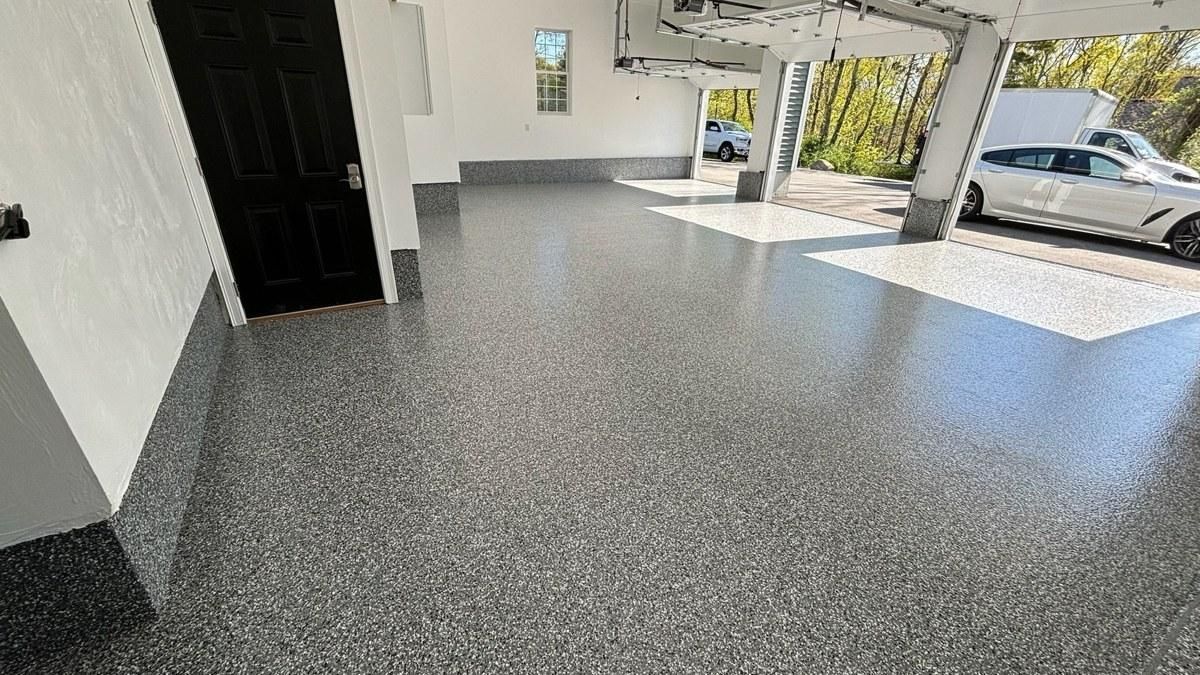
Start with the slab. If the concrete has oil, pitting, cracks, or moisture, the project is a lot less DIY-friendly, and that's true on any street in the region. In a small, older town like Hopedale, right next to LC Visions' Milford home base, garage slabs are often decades old, so what looks like a clean weekend project can turn into a redo once the coating lifts.
If the floor is important to daily routines, professional installation is usually safer. If the area is low stakes, DIY may be acceptable.
Frequently Asked Questions
Are DIY epoxy floor kits worth it?
DIY epoxy floor kits can be worth it for small, dry, low-traffic spaces. They are less reliable for garages with hot tires, road salt, cracks, or moisture. The biggest limitation is usually surface preparation, not the coating alone.
Why does professional epoxy flooring last longer?
Professional epoxy flooring often lasts longer because the concrete is mechanically prepared before coating. Grinding, crack repair, and moisture checks help the coating bond to sound concrete. Better materials also help when traffic and cleaning are heavier.
Can I epoxy my garage floor myself in Massachusetts?
You can epoxy your garage floor yourself if the slab is dry, clean, and lightly used. Massachusetts garages with salt damage, pitting, or damp concrete are harder. A failed DIY coating can be more difficult to remove later.
Make the Choice Based on Risk
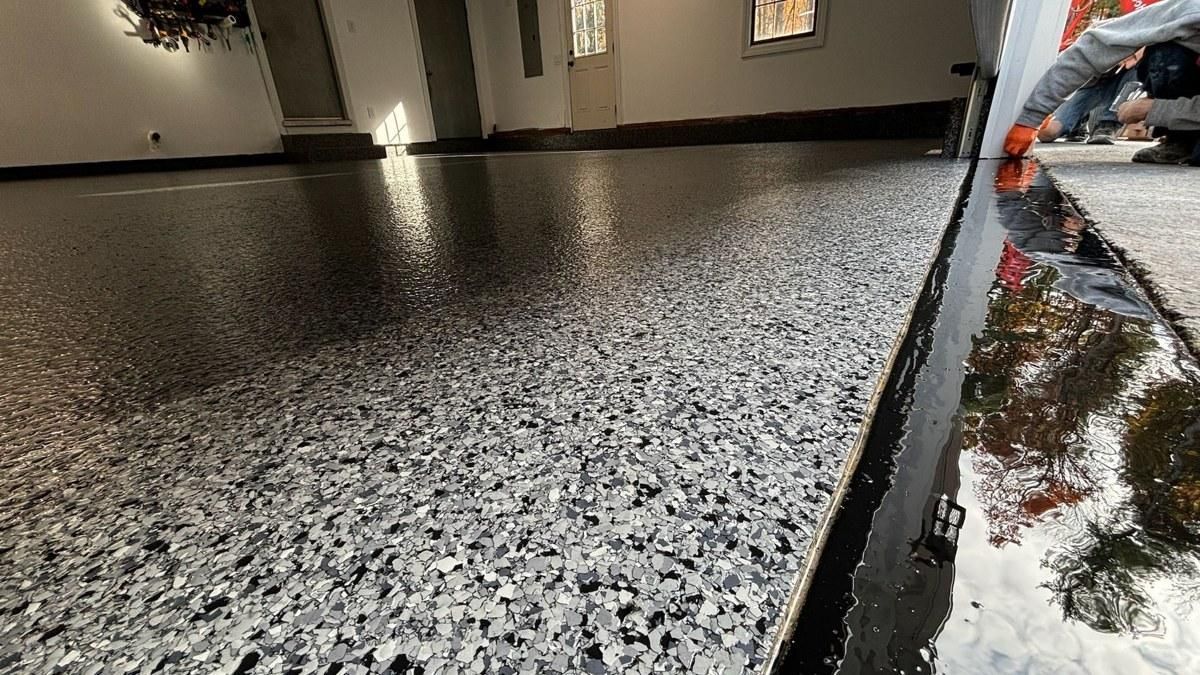
DIY epoxy is fine when the project is small and the expectations are modest. Professional installation makes sense when durability, prep, and daily use actually matter, which, on a salt-fed New England garage slab, they usually do. LC Visions will tell you honestly which camp your floor is in; that's the standard our company was built on.
If your floor has salt damage, stains, or cracks, weigh the risk before you compare product prices. Contact LC Visions Epoxy & Coating at 724-413-8946 for help identifying the right path forward.