
Is Epoxy Floor Bubbling a Serious Problem?
Epoxy floors are celebrated for their resilience, aesthetic appeal, and resistance to daily wear, making them a top choice for both homes and businesses. Yet, even the best-installed epoxy surfaces can develop an unwelcome issue: bubbling. Discovering bubbles can be concerning, prompting questions about whether it's a minor flaw or a sign of a deeper problem. Understanding the causes of epoxy floor bubbling is key to effective solutions and ensuring your investment's longevity.
This article explores why epoxy floors bubble, what these bubbles mean, and how to prevent and resolve them to keep your floor pristine.
Why Do Epoxy Floors Bubble?
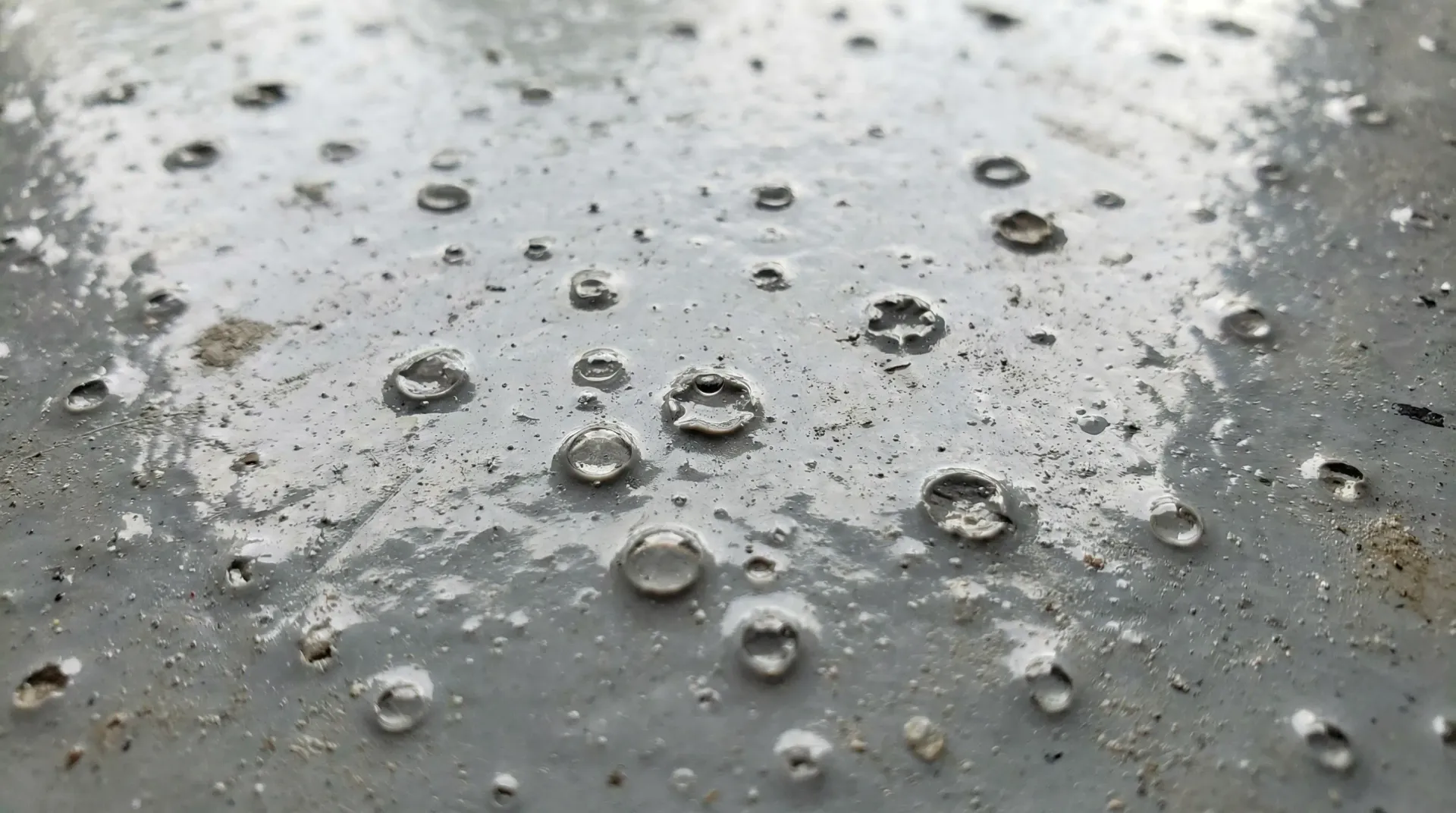
Epoxy floor bubbling, or outgassing, primarily results from trapped air or moisture escaping the concrete substrate or the epoxy mixture during curing. Key contributing factors include:
- Moisture Vapor Transmission (MVT): Concrete's porosity allows moisture to pass through. If moisture vapor rises through the slab after epoxy application but before full cure, it can cause bubbles. This is common in humid areas or basements. Addressing moisture is vital for proper concrete coating installation.
- Improper Surface Preparation: A leading cause of epoxy failures, including bubbling, is inadequate surface preparation. If the concrete isn't properly cleaned, profiled, and free of contaminants, air can become trapped. Insufficiently porous concrete can also hinder adhesion, creating air pockets. Our meticulous process prioritizes thorough preparation to prevent such issues.
- Rapid Curing/High Temperatures: Applying epoxy in direct sunlight or hot conditions accelerates curing. Air trapped within the epoxy or concrete may not escape before the surface hardens, resulting in bubbles. Professionals carefully monitor environmental conditions to avoid this.
- Improper Mixing: Inadequate or overly vigorous mixing of epoxy resin and hardener can introduce air into the mixture, resulting in surface bubbles during application.
- Applying Thick Coats: While seemingly more durable, applying epoxy too thickly in one layer can trap air and solvents, preventing their escape before curing. Multiple thinner coats are often preferred for optimal results.
Is Bubbling a Serious Problem?
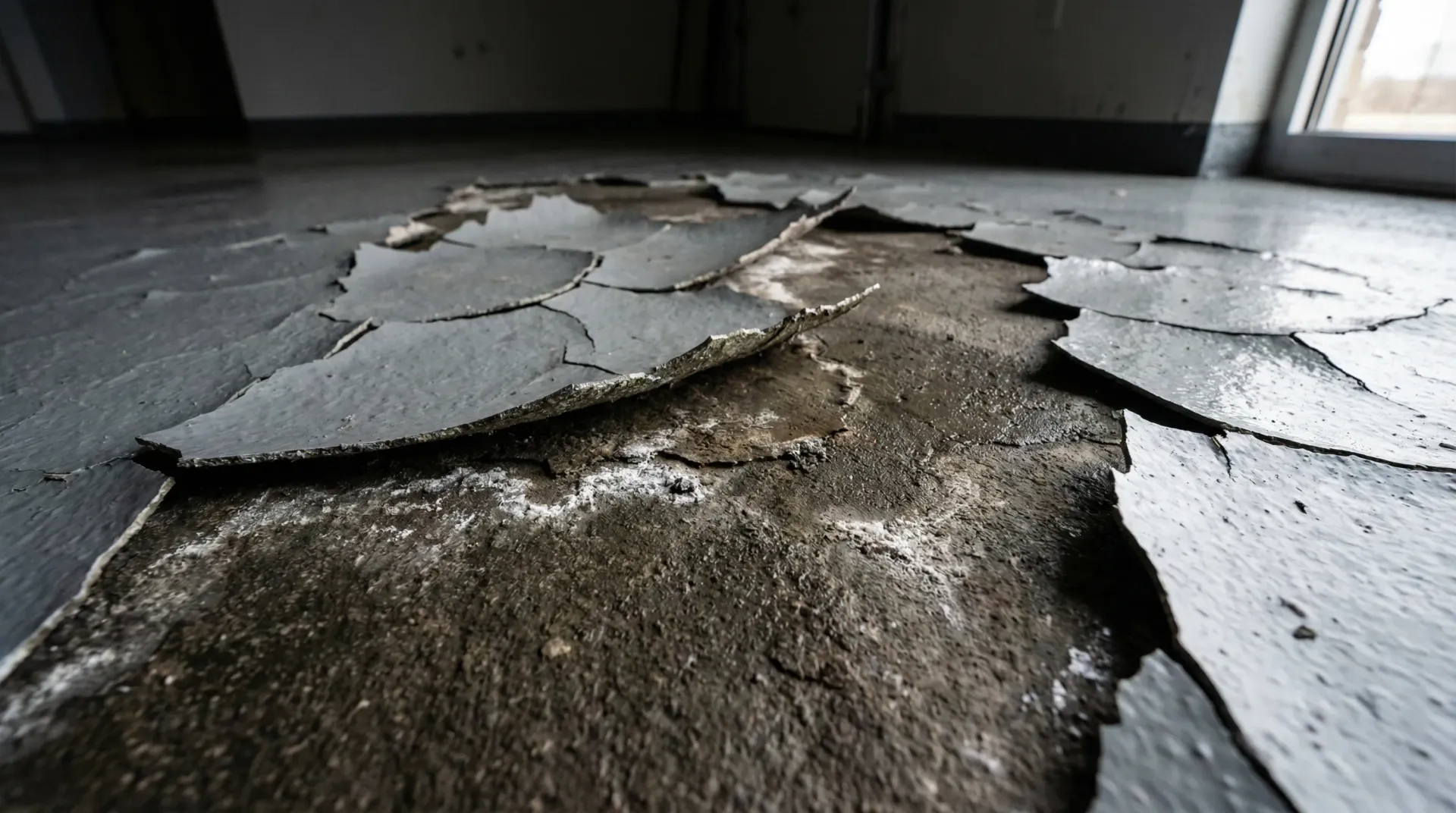
The seriousness of epoxy floor bubbling depends on its cause and extent. Small, isolated bubbles might be a minor aesthetic concern. However, widespread or large bubbles often signal a significant problem compromising the floor's integrity and lifespan.
Bubbles from high moisture vapor transmission, for example, can cause delamination, where the epoxy separates from the concrete. This not only looks bad but also severely reduces the floor's durability and protective qualities, potentially damaging the concrete. Such issues are particularly critical in
commercial and
industrial settings with heavy traffic and harsh conditions.
Prevention and Solutions
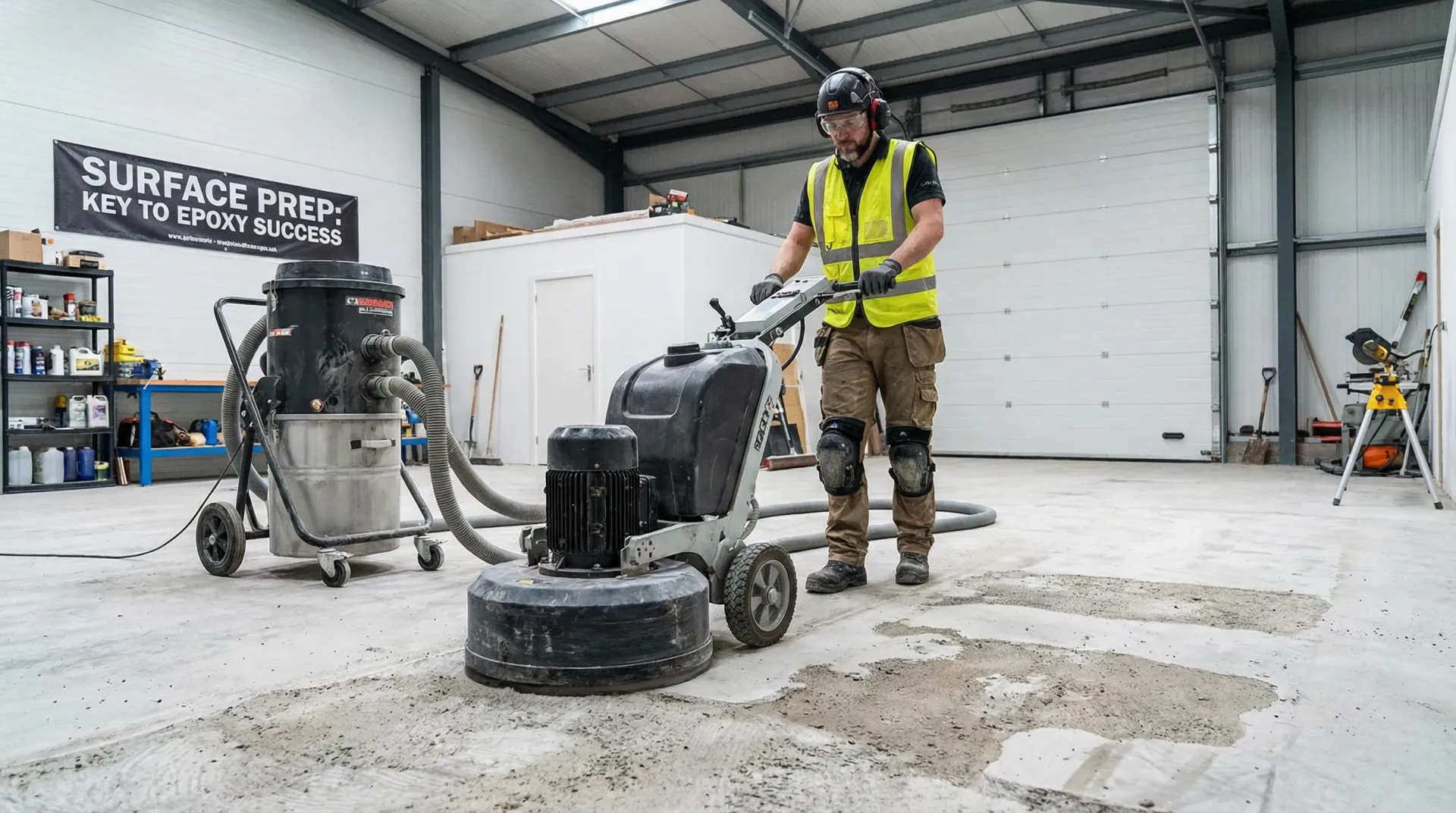
Preventing epoxy floor bubbling requires careful planning and execution:
- Moisture Testing: Always test concrete slabs for moisture before epoxy application. If high levels are found, apply a moisture mitigation system. LC Visions always performs this crucial step for a lasting finish.
- Proper Surface Preparation: Ensure the concrete is clean, dry, and profiled by grinding or shot blasting to ensure strong adhesion. Our team ensures optimal adhesion for all residential concrete coatings.
- Controlled Environment: Apply epoxy in moderate temperatures and humidity. Avoid direct sunlight and ensure good ventilation to allow air and solvent to escape.
- Correct Mixing and Application: Follow the manufacturer's mixing guidelines, and apply epoxy in thin, even coats, allowing adequate cure time between layers.
- Professional Installation: Hiring experienced professionals is the best way to prevent bubbling and other epoxy issues. LC Visions Epoxy & Coatings has the expertise to prepare surfaces, manage moisture, and apply coatings correctly. We serve various service areas, including Worcester, MA, and North Smithfield, RI.
If bubbling has occurred, minor issues might be fixed by sanding and reapplying a new coat. Extensive bubbling, especially from moisture, may require complete removal and reapplication. This complex process is best handled by professionals to prevent further damage.
Key Takeaways
Epoxy floor bubbling, though common, is largely preventable with proper preparation and application. While small bubbles are cosmetic, larger or widespread bubbling can indicate underlying issues that affect durability. Professional installation ensures proper epoxy application, reducing the risk of bubbling and maximizing lifespan. Don't let bubbles compromise your epoxy floor's beauty and function. If you have issues or plan a new installation, consult experts for lasting solutions.
Ready to Transform Your Space With a Flawless Epoxy Floor?
Contact LC Visions Epoxy & Coatings today for a free quote and expert consultation. Explore our
blog for more insights into concrete coatings and maintenance.